
Gutter Flashing and Apron Repair in Hampstead, NH
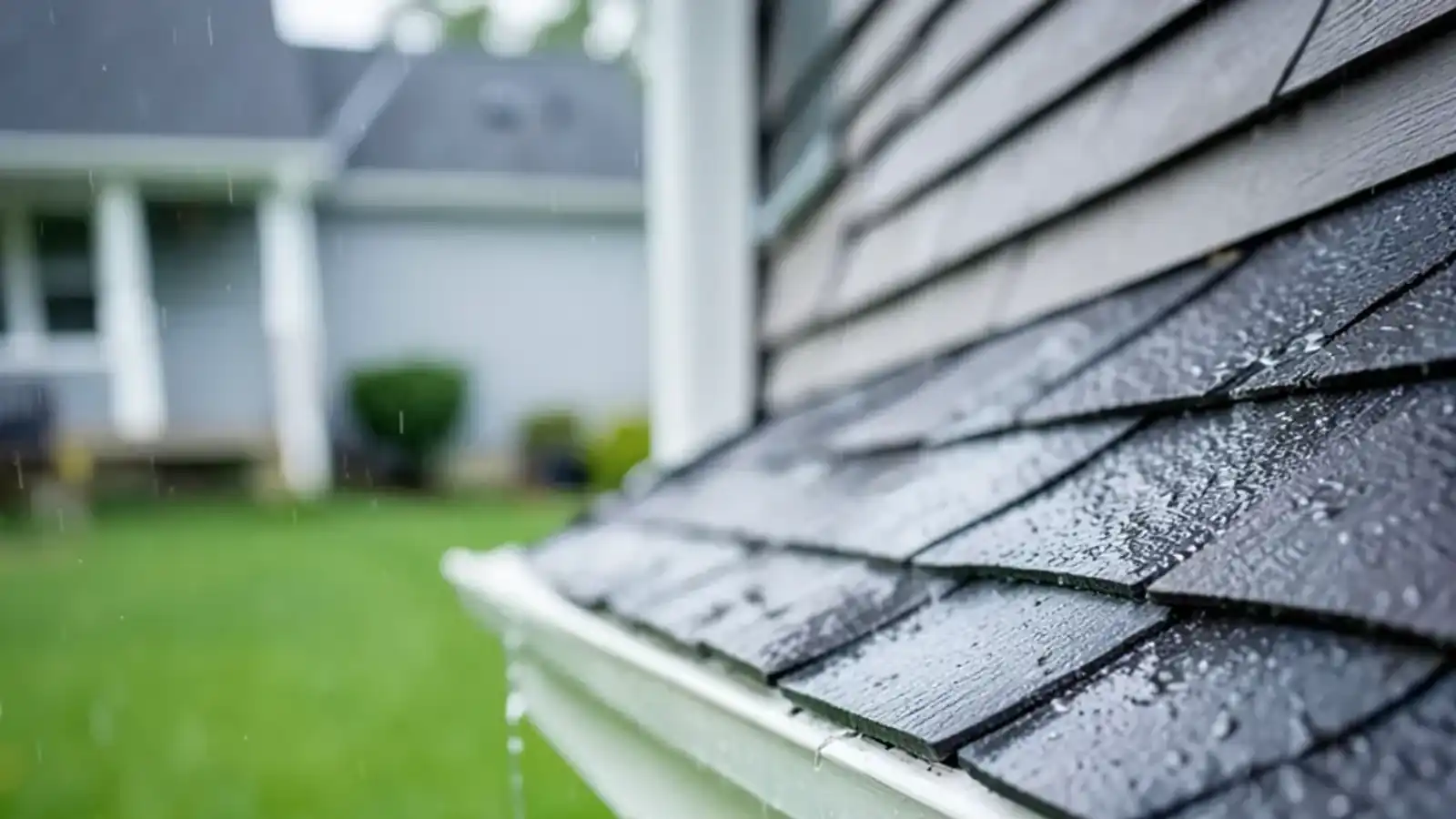
Gutter flashing repair in Hampstead, NH closes the gap that lets roof water slip behind the gutter. The fix is usually a length of apron or a corrected drip edge, and the gutter stays where it is. If your fascia is streaking and no seam is dripping, this is where we look first.
- ★ 5.0 on Google · 29 reviews
- Serving since 2024
- Based in Hampstead, NH
On this page
- The parts between your shingles and your gutter
- Water running behind gutters: how to confirm it
- Apron, drip edge or wedge: which piece does the job?
- When is a bad time to slide flashing under shingles?
- Gutter flashing installation, step by step
- What drives the cost of gutter flashing repair in Hampstead
- Keeping water in the trough after the repair
- Common questions
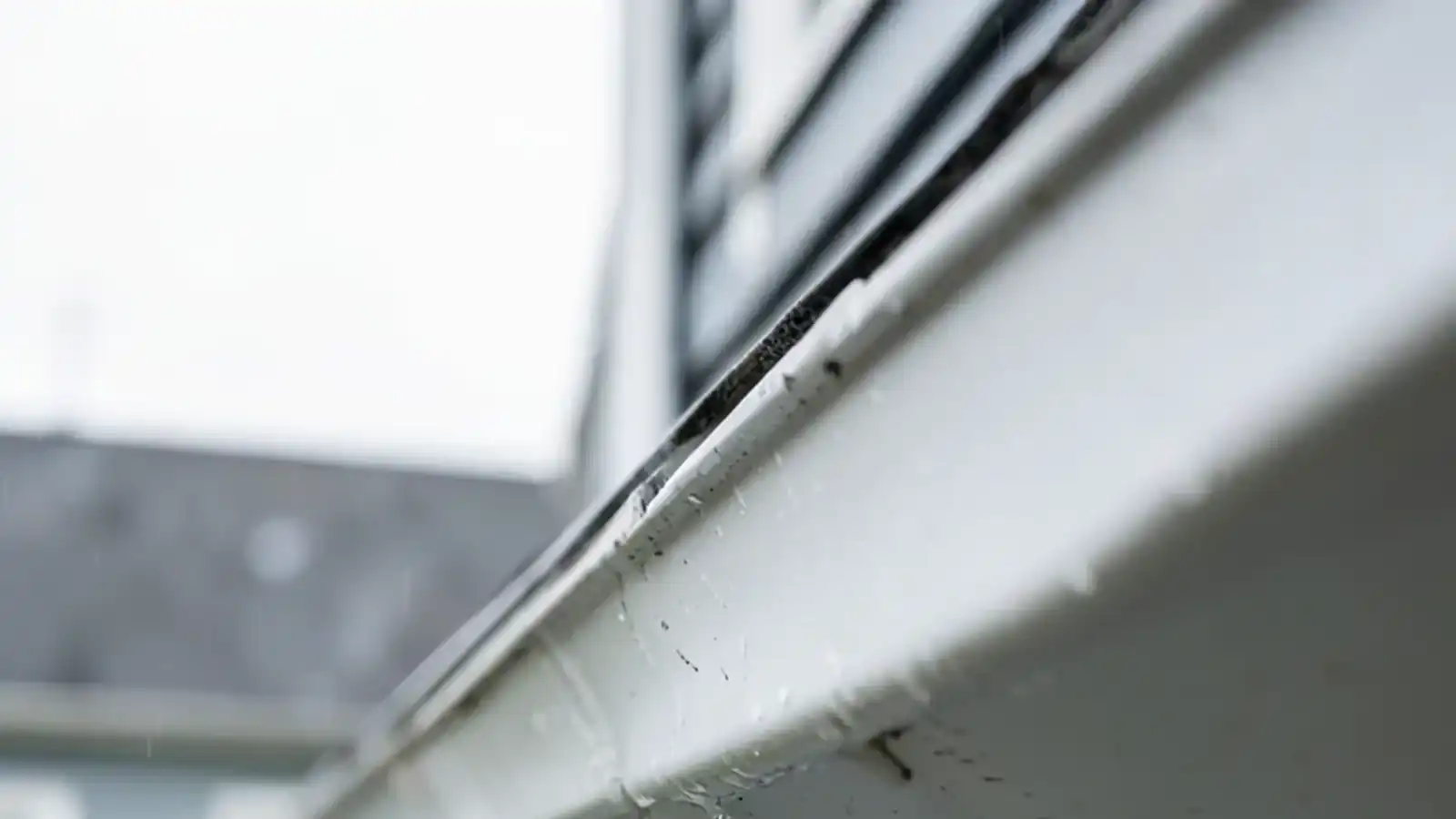
Water behind a gutter looks like a leak, but the gutter itself may be fine. Roof water is getting past the back of the trough and down the board. We treat this as its own gutter repair, separate from a leaking seam, because sealant cannot fix a gap at the roof edge.
The parts between your shingles and your gutter
Four pieces of metal manage the last inch of your roof. Knowing them makes any quote easier to read.
- Drip edge. The metal strip along the edge of the roof deck. It throws water away from the fascia and into the gutter.
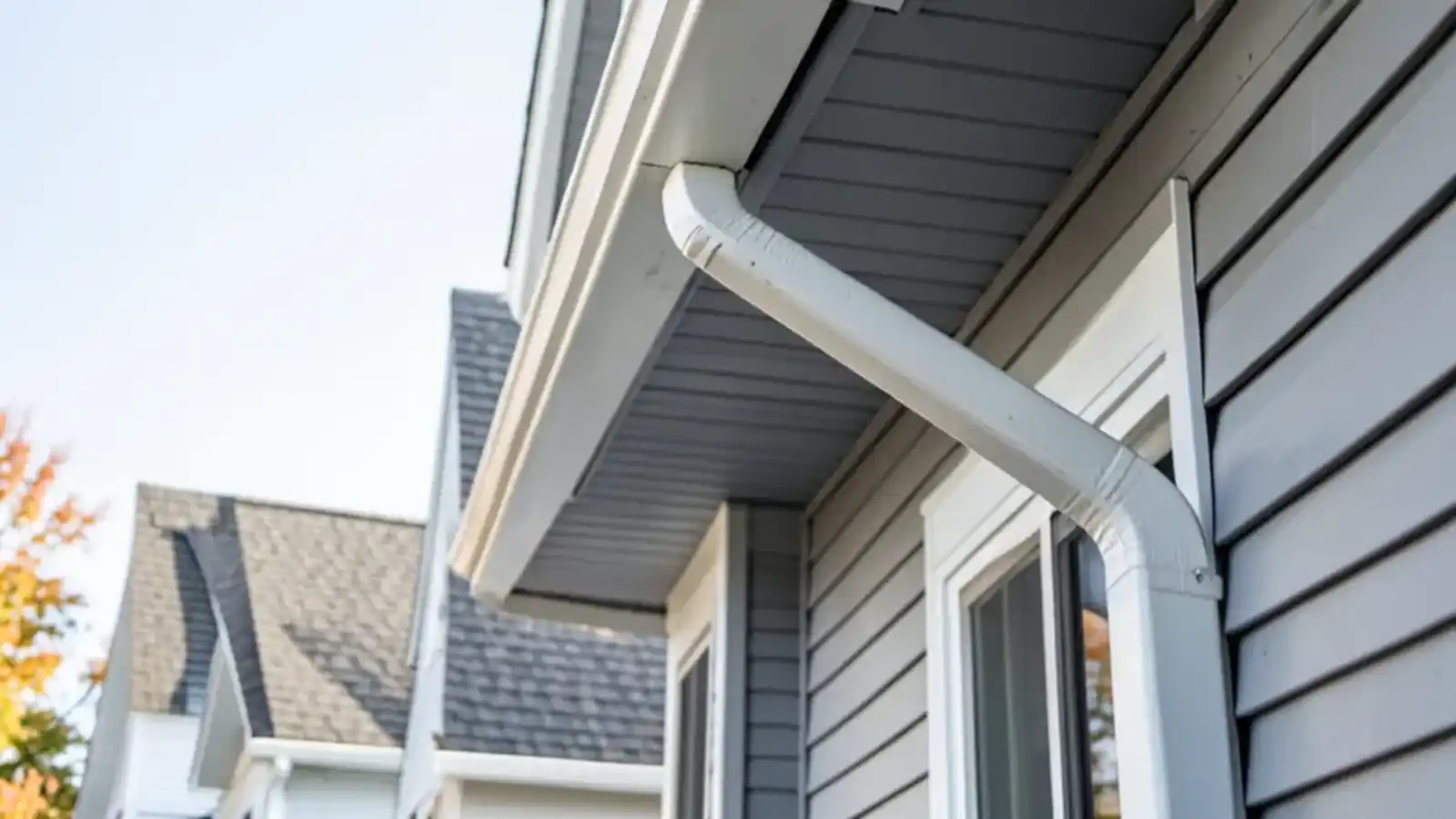
- Gutter apron. A bent strip that slides under the shingles and laps over the back of the gutter. It is the usual fix on a house where the drip edge is missing or falls short.
- Gutter wedge. A tapered spacer behind the gutter. Where the fascia leans with the roof, the wedge keeps the gutter upright.
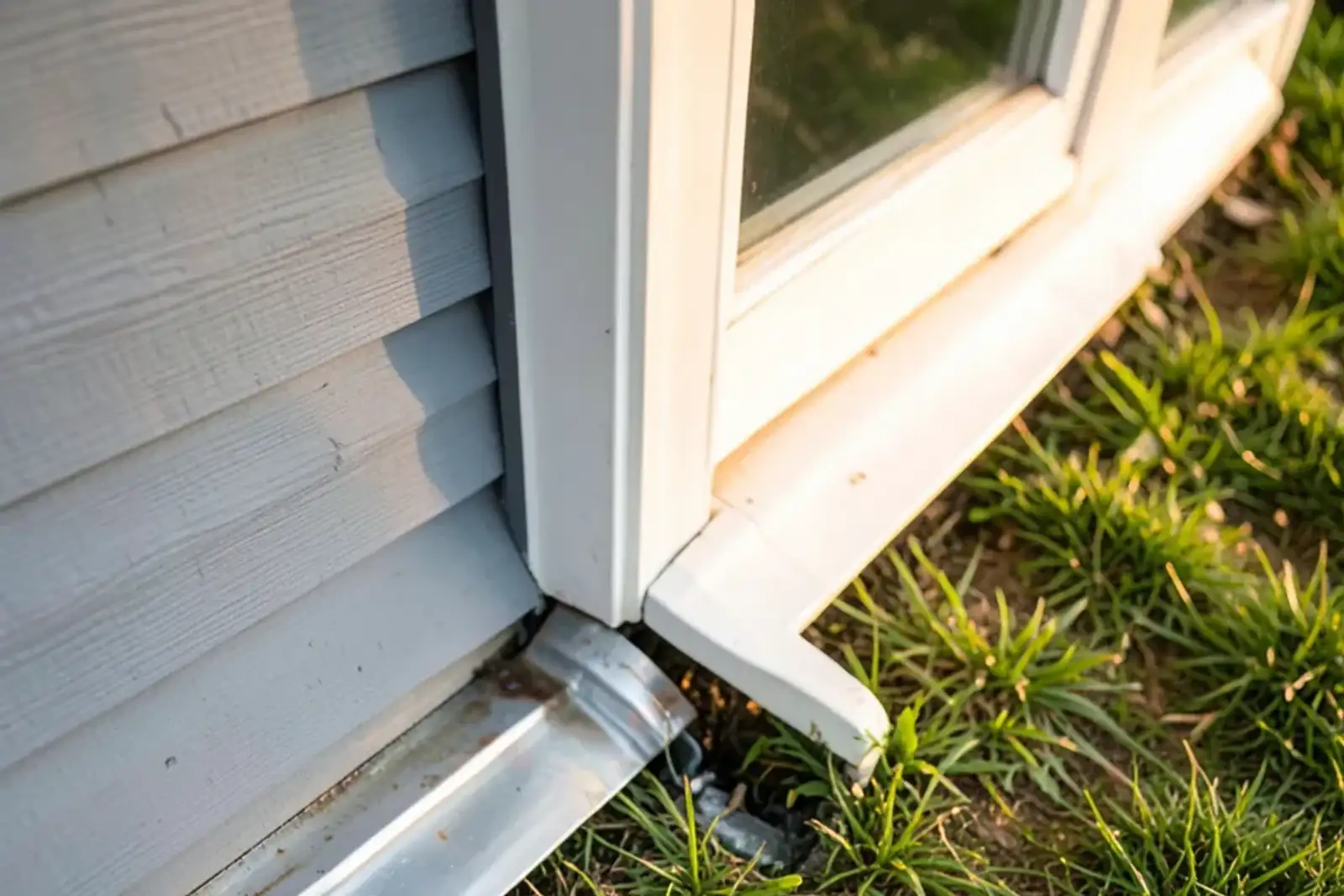
- Kick-out flashing. A small angled piece where a roof meets a sidewall. It steers water into the gutter instead of down the siding.
Water running behind gutters: how to confirm it
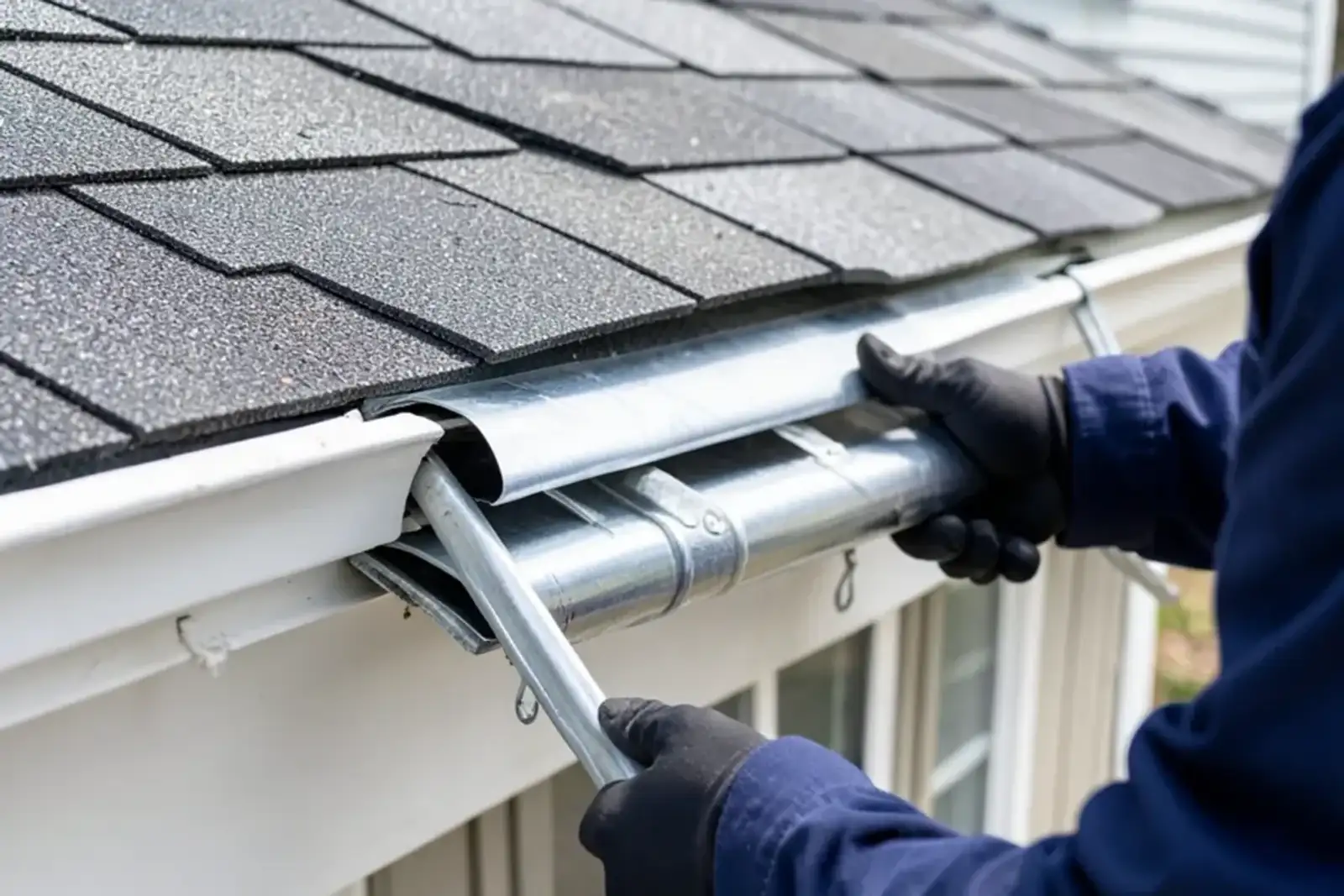
Look at the fascia, not the gutter. Seam leaks show up as one wet spot at a joint. Water behind the gutter leaves a pattern along the whole run.
Signs that point to the roof edge:
- Streaks or peeling paint along the full length of the fascia
- Water dropping from behind the gutter, with no drip from the front
- A long row of icicles forming behind the back edge
- Wet or stained boards where the seams above look dry
- Dark mildew lines along the board just under the gutter
We confirm it by running water on the lower shingles and watching from the ladder. The water should drop straight into the trough. If it clings to the shingle edge and rolls back, we have our answer. Our post on why gutters leak at the seams has a table that separates the two problems.
Apron, drip edge or wedge: which piece does the job?
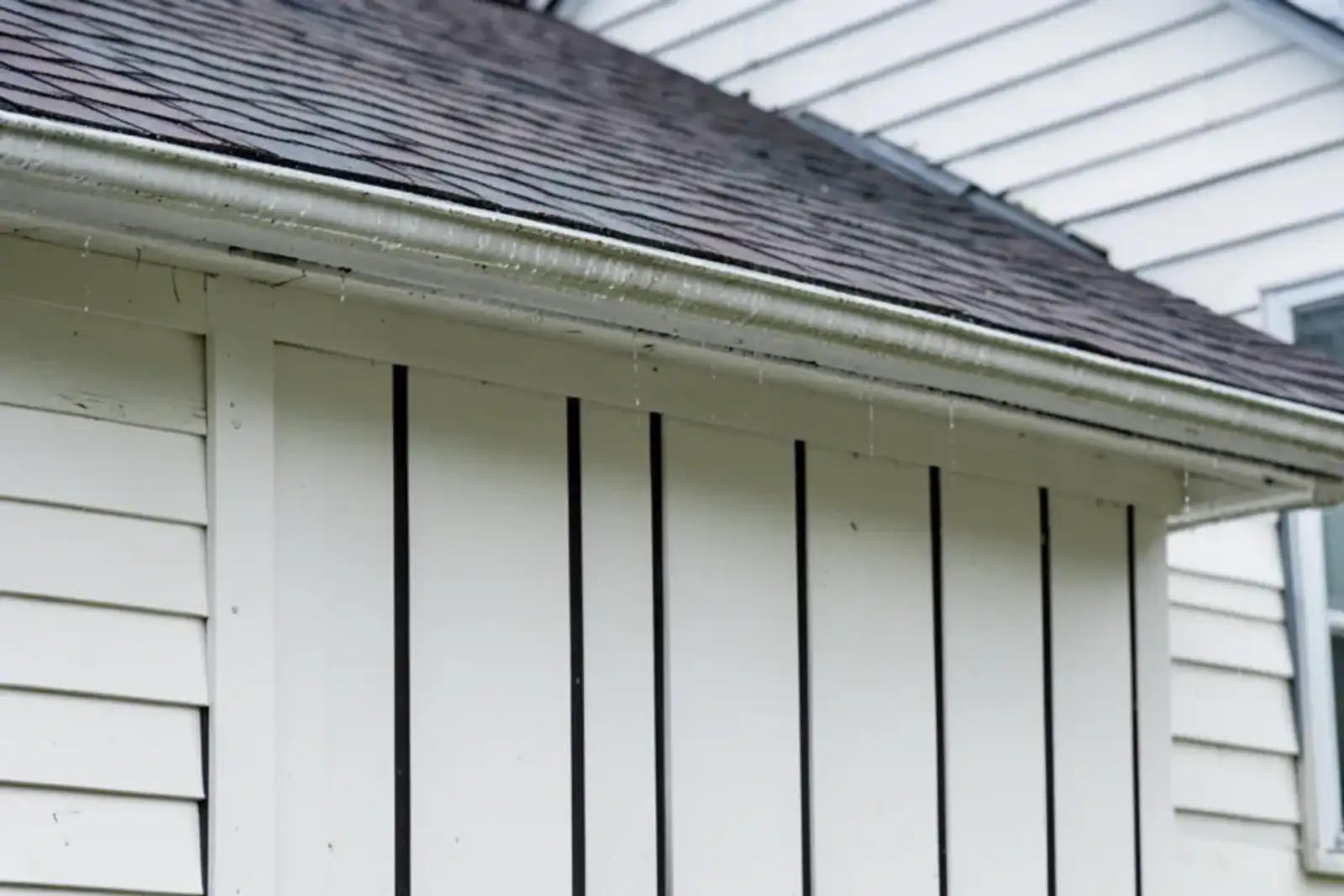
The right part depends on what the gap looks like.
| What we find | Usual fix | Trade-off |
|---|---|---|
| Shingles too short, or no drip edge | Add a gutter apron | Simple, but needs flexible shingles |
| Drip edge gutter gap, gutter set too low | Wider apron, or raise the gutter | Raising the gutter also means rechecking its slope |
| Fascia leaning, gutter tipped toward the house | Gutter wedges plus rehanging | More labor, and it restores the gutter's depth |
| Water coming down a sidewall behind the gutter end | Kick-out flashing | May involve siding around that joint |
Sealant is not on that list. A bead of caulk across the gap holds for a while, then cracks and leaves water trapped behind it.
A gutter sitting too far from the roof can be a side effect of other work. If the run has been reset or lowered, the gap may simply be new. Overflow can also mimic this problem. A long run spilling near one corner can send water down behind the gutter there, and that calls for a gutter cut and drop instead of more flashing.
When is a bad time to slide flashing under shingles?
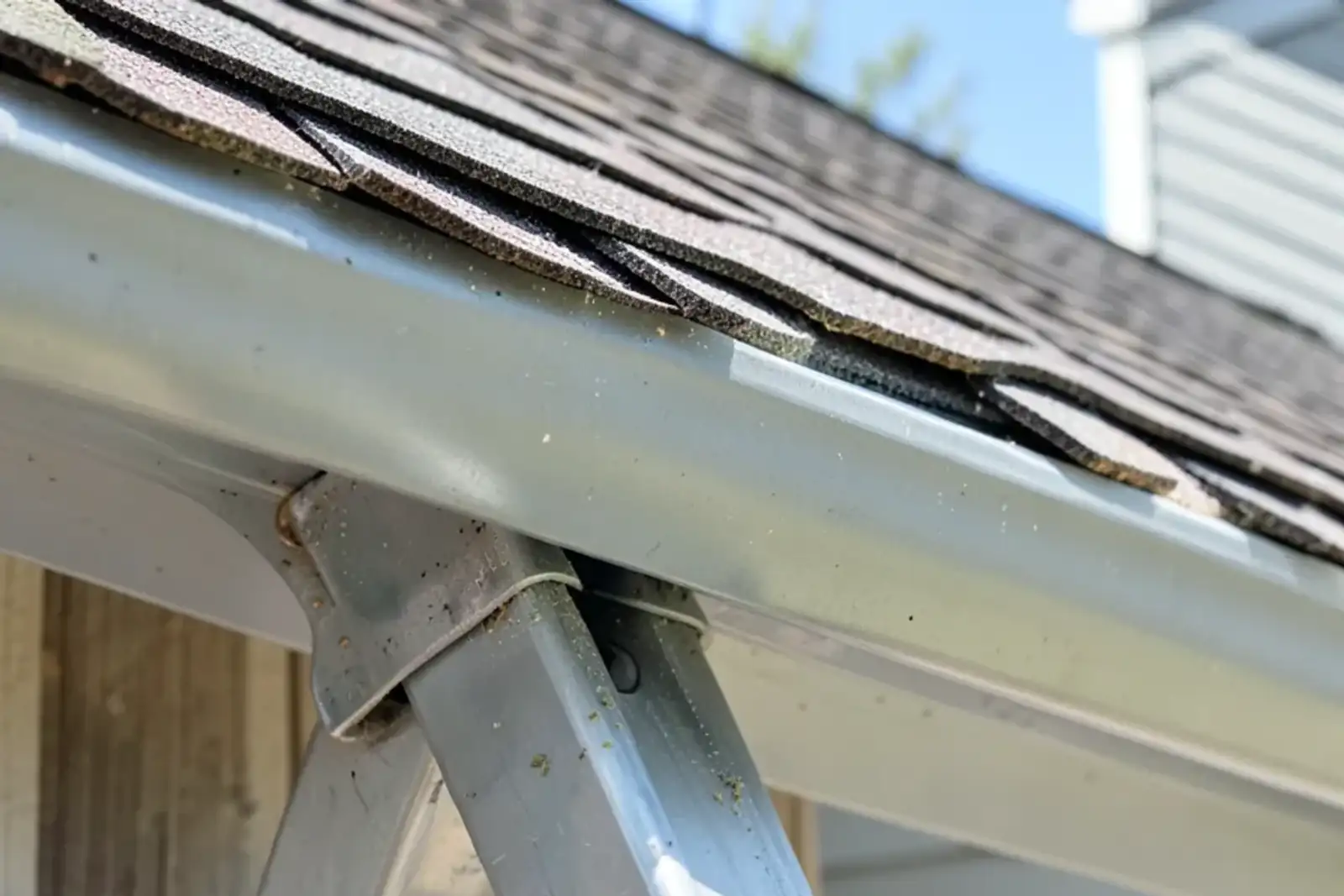
Cold weather. Asphalt shingles get brittle, and lifting a cold tab can crack it. Dwellics counts roughly 195 Hampstead days under 50°F each year, so the comfortable window for this work is shorter than most people expect.
If you call in January with water behind a gutter, the first job is usually to look at it and tell you what is going on. Apron work may then wait for a warmer day. Ice is a separate question as well. An ice dam pushes water up under shingles, and no apron will stop that, because the cause is attic heat melting the snow above a cold eave.
When the roof is being replaced anyway
An apron is easiest to fit when the roof edge is already open. If new shingles are planned, tell your roofer where the gutter sits so the apron and drip edge go in together. Ask the roofer to follow the shingle maker's instructions for edge details. Done afterward, the same work is possible, but it means lifting shingles that have aged.
Gutter flashing installation, step by step
- We clear the back of the gutter so we can see the roof edge.
- We run water and find out where it leaves the shingles.
- We check for a drip edge, shingle overhang and any lean in the fascia.
- We measure the gap and bend or cut apron stock to fit it.
- We gently lift the first course of shingles and slide the metal into place.
- We lap the joints in the direction water flows, set the shingles back and run water again to check the result.
Included in that visit is a press along the fascia, because water behind a gutter finds wood first. If a board has softened, fascia repair goes on the price as a separate item. Better to find that with the gutter in reach than a few winters later.
What drives the cost of gutter flashing repair in Hampstead
We quote flashing repairs in writing after looking at the roof edge. The cost follows the length and the access:
- Linear feet of apron or drip edge
- Story height and roof pitch
- Whether the shingles can be lifted without damage
- Whether the gutter needs raising, wedging or rehanging
- Any kick-out flashing, and the siding around it
- Any soft fascia found behind the run
This is roofline work, so care around the shingles matters. One of our Google reviews comes from a local roofer, and it reads "They do quality work." Clear explanations come up in reviews as well, which matters on a repair you cannot see from the ground.
Keeping water in the trough after the repair
The apron does its work only if the gutter stays clear and in line. Check the fascia after the first few rains. Dry paint in a spot that used to streak means the job is working. Keep the gutter cleaned out, since a full trough backs water up to the same gap, and look for lifted metal after any heavy snow.
Our flashing work covers Hampstead and the surrounding towns. Capes from the 1960s around Canobie Lake in Salem can have an older roof edge detail worth a close look. Pond cottages turned into year-round homes in Newton often have only partial gutter coverage, and older homes in Kingston can have antique trim to work around.
Permits, code and who to ask about roof edges
New Hampshire permits are handled town by town, so ask the town building office whether edge flashing needs one. We found no state gutter license. Roof edge details follow the shingle maker's instructions and local code, so for a new roof, ask the roofer, not just the gutter installer.
Why Lanes Gutters for roof edge leaks
A local roofing company left a Google review reading "They do quality work", and other reviewers praise clear explanations. On a flashing call we watch the water run before choosing a part, and we tell you if the roof is the real problem. Your price comes in writing.
Reviews mentioning clear answers and honest advice
“He did such a great job we asked him to do some repair work on some of the seams. He came back a couple days later and completed that job wonderfully as well.”
“Caio was professional and courteous. He spotted multiple things that were wrong with our gutters beyond what we knew about and performed the repair promptly at an excellent price.”
“We had a gutter put on to help divert rain from a rotting window. Company was responsive and came up with a solution to fix the entire problem rather than put a band aid on it.”
5.0 on Google · 29 reviews as of November 2026. Read all reviews
Gutter Flashing & Apron Repair: common questions
What does a gutter apron do?
A gutter apron bridges the space between the shingles and the gutter. The bent metal strip slides under the first course of shingles and laps over the back edge of the gutter, so water cannot follow the roof edge down behind it. On a Hampstead eave, that small strip also keeps meltwater off the fascia through a long thaw.
Why is water running behind my gutter?
Water clings to the underside of a shingle and rolls back, and without an apron or a working drip edge it drops between the gutter and the fascia. Shingles cut short, a gutter set too low or a clogged trough can all cause it. We watch where the water goes before deciding which piece fixes it.
Can an apron be added to existing gutters?
Usually, yes, and without taking the gutter down. The apron slides under the first course of shingles and sits over the back of the gutter. We need shingles flexible enough to lift, so a warm day is better. If the shingles are brittle or badly worn, we will say so before anything is disturbed.
Is a gutter wedge the same as gutter flashing?
No. A wedge is a tapered spacer that sits behind the gutter when the fascia leans with the roof, so the gutter stays upright and holds its full depth. Flashing is the metal that keeps water out of the gap. An eave on an older New England house can need both, and we check for lean on each run.
Does gutter flashing repair mean disturbing my roof?
Only at the very edge. Apron work lifts the first course of shingles a little, and we set them back down afterward. We do not strip roofing. If the edge of the roof is worn out or the deck beneath is soft, that is a job for a roofer, and we will tell you before starting the flashing.
Areas served for gutter flashing & apron repair
- Salem, NHSalem's 1960s capes near Canobie Lake may have older roof edge details that deserve a close look.
- Atkinson, NHLong rooflines on large newer colonials mean one roof edge gap can streak a long stretch of fascia.
- Newton, NHConverted Country Pond cottages often have partial gutter coverage, leaving bare roof edges that drop water at the wall.
- Londonderry, NHLondonderry is named on our Instagram, and its 1970s to 1990s subdivisions have original roof edges.
- Weare, NHAbout 50 minutes out with a colder climate, so apron work waits for a mild day and is booked ahead.
- Farmington, NHOld mill housing and heavy snow, roughly an hour away, make visits planned ahead around the weather.
- Kingston, NHAntique trim near the historic plains district limits how far shingles and metal can be disturbed.
- Windham, NHValleys on Windham's large roofs dump water along the edge and can send it behind the gutter.
Need gutter flashing & apron repair?
Call and tell us what you are seeing. We will take it from there.
25 Glenwood North Rd #16, Hampstead, NH 03841
(208) 464-4195
Mon–Sat 8am–6pm · Sunday closed