
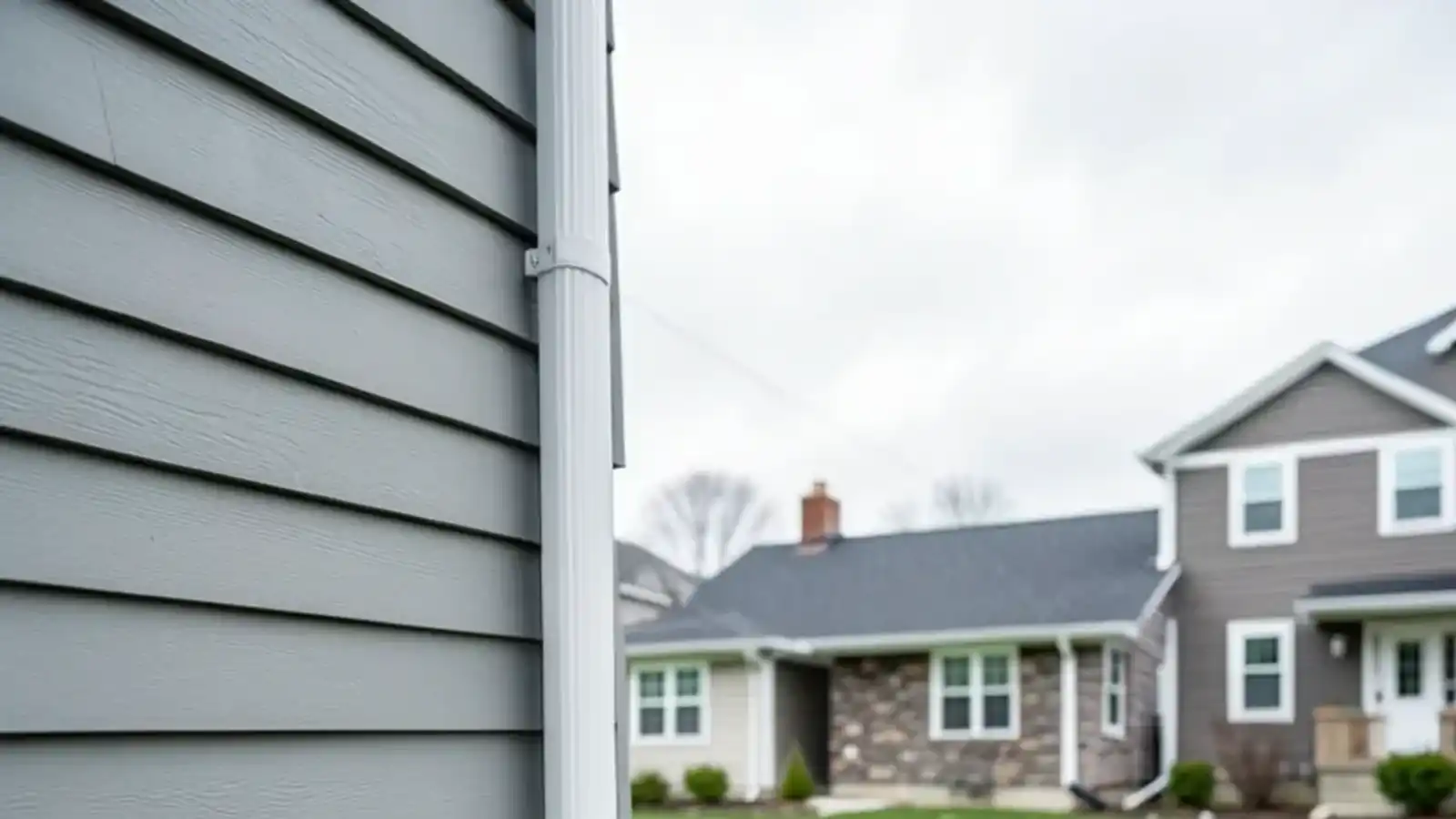
Underground Gutter Drainage in Hampstead, NH
Underground gutter drainage in Hampstead, NH carries roof water through buried pipe from the downspout to a safe outlet, well clear of the foundation. It suits lots where extensions get in the way. Call and ask first, since we need to see the lot before we can say if it is work we would quote.
- ★ 5.0 on Google · 29 reviews
- Serving since 2024
- Based in Hampstead, NH
On this page
- Buried downspout, French drain or extension?
- Where can the water go?
- Frost, ledge and New Hampshire ground
- How we would assess underground gutter drainage in Hampstead, NH
- What drives ground drain installation cost
- Rain barrels, rain chains and other foundation water diversion
- Keeping a buried line working
- Why Lanes Gutters starts with a call on buried drainage
- Common questions
The goal of a buried line is simple: take roof water far enough away that it stops being your foundation's problem. This page covers how these systems work. It sits under our gutter installation service in Hampstead.
Buried downspout, French drain or extension?
Choose by the problem you are solving. A buried downspout moves roof water. A French drain collects groundwater. They are different systems, and mixing them up is a common and costly mistake.
| Option | What it does | Good for | Trade-off |
|---|---|---|---|
| Extension | Carries water a few feet on the surface | Simple lots | Gets in the way of mowing and snow |
| Buried downspout | Moves roof water through solid pipe | Yards with a low outlet | Depends on slope, needs digging |
| French drain for gutters | Perforated pipe in gravel takes in groundwater | Wet ground, not roof water | Roof water can flood it and clog it |
| Dry well | Stores water to soak into the ground | Soils that drain well | Poor fit for clay or high water tables |
A perforated line takes in water along its length, and it also lets water out. Connect a downspout to one and you may release roof water beside the foundation. Our post on in-ground vs above-ground downspouts compares the two simpler options in more depth.
Signs your roof water needs a buried route
A buried line is worth asking about when extensions keep failing: they get hit by the mower, buried by snow, or leave water pooling a few feet from the wall. Causes also include a corner with no room for a pipe, or a patio or walk in the way. Clean gutters and a long surface extension come first. If both fail, ask about a buried line.
Where can the water go?
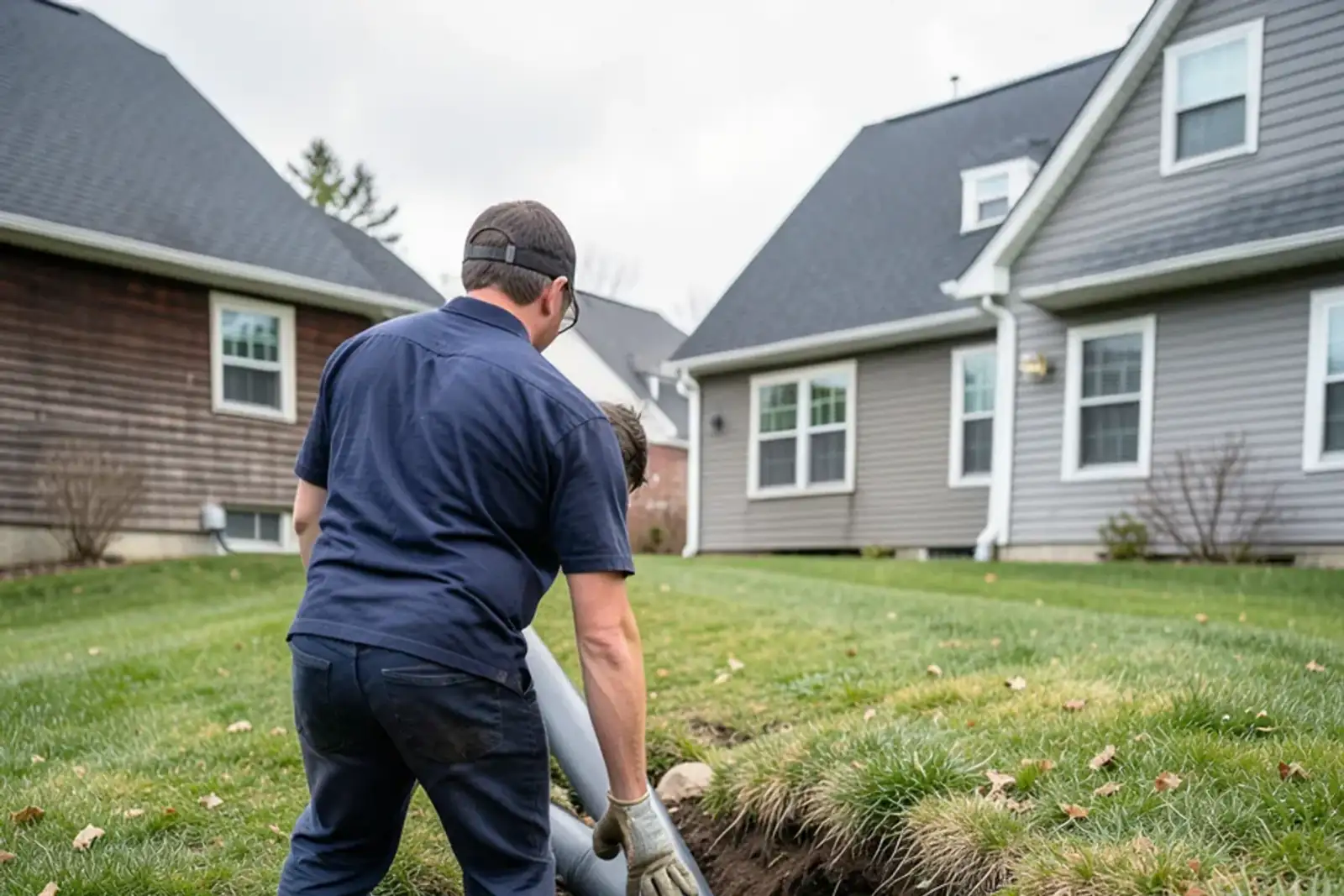
The outlet comes first, because it decides whether the project is possible. Water needs somewhere lower to go. A daylight outlet, where the pipe simply opens at the surface on lower ground, is the most reliable design.
Rule out or ask first:
- Septic systems, which should never take roof water
- A neighbor's land, or anywhere water would concentrate against someone else's property
- Roads and storm systems, which are a question for your town
- Any low spot with no exit, which simply moves the puddle
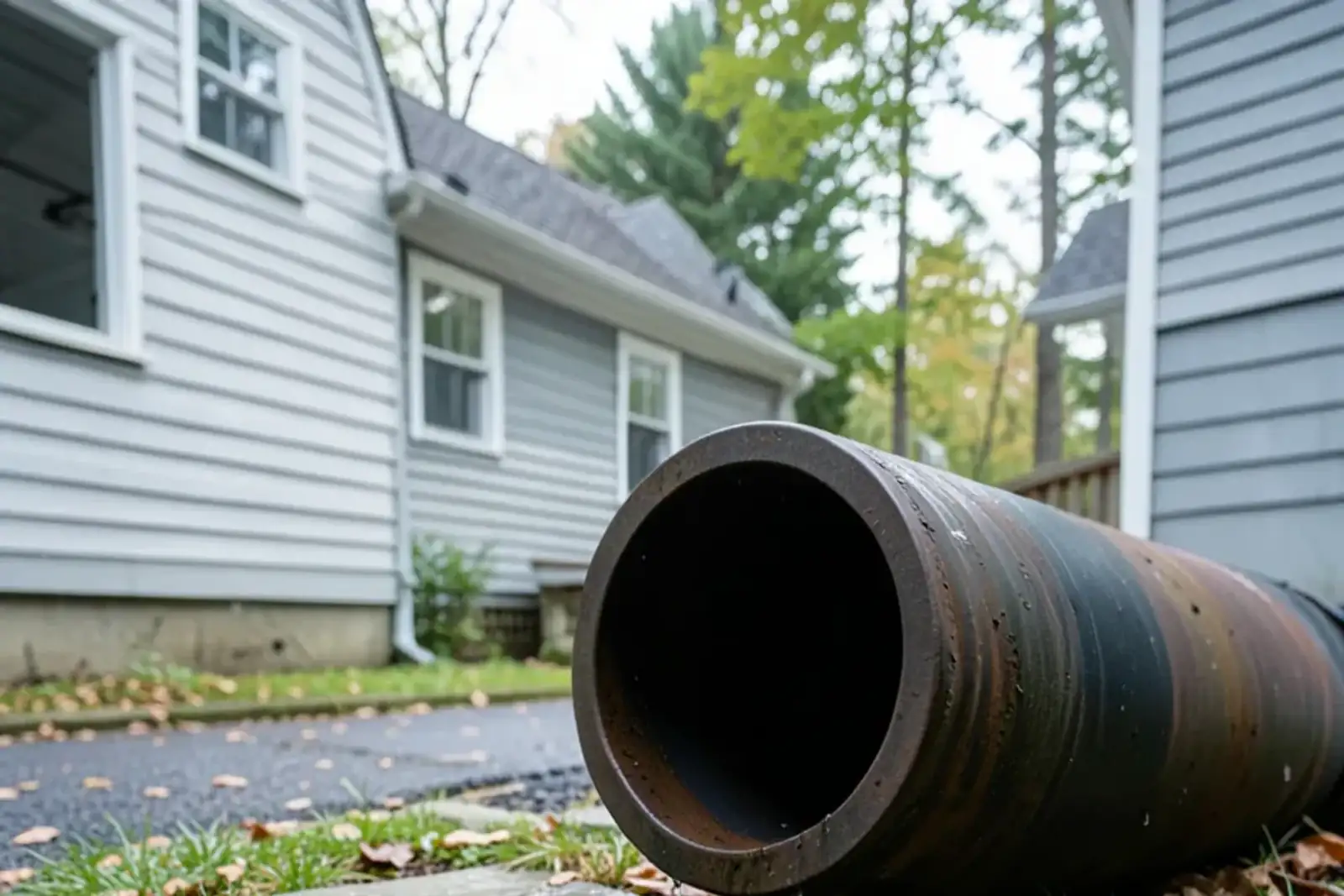
Where there is no lower ground to open onto, a pop-up emitter is the other common ending. It is a cap that lifts under flow, and it must sit lower than the drain it serves. It still needs fall in the pipe, and ice can hold a cap shut, so ask about it. A level lot may have no good outlet at all. In that case, regrading or a dry well may be better answers, and we would tell you so.
Frost, ledge and New Hampshire ground
Frost is a slope problem more than a depth problem. Foundations here are commonly set about 4 ft down because of frost, and a yard drain will not reach that depth. A line that holds water can freeze in a cold spell. A line that drains empty mostly will not.
- Slope. A common minimum is about 1/8 in per foot, kept steady with no dips.
- Pipe. Smooth-wall solid pipe holds less grit and water than corrugated pipe.
- Outlet. An open outlet drains better than a pop-up cap that sits in a low bowl.
- Cleanout. A way in for cleaning saves digging later.
- Debris. Leaves in the pipe are the most common cause of blockage, so clean gutters matter.
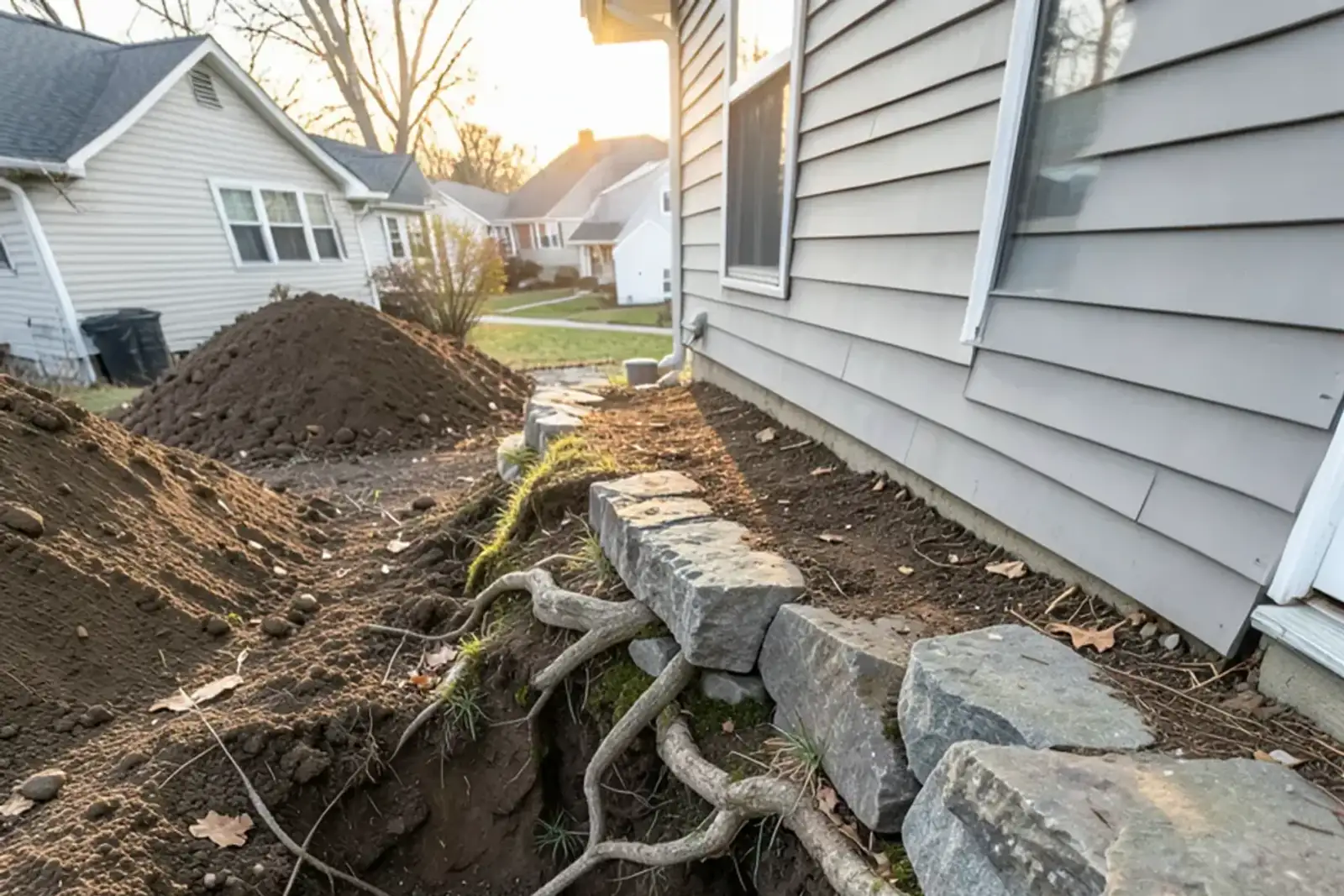
Southern New Hampshire ground can also be full of stone, roots and ledge, which can change the route and the cost. Hampstead sees about 45.9 in of precipitation a year (BestPlaces), and in a thaw much of it can land on frozen or saturated ground. Federally declared flood disasters hit Rockingham County in May 2006 and April 2007. A drain line is not flood protection. It does keep ordinary roof water out of the ground beside your walls.
Town rules, Dig Safe and permits
New Hampshire handles permits town by town, and we could not confirm what Hampstead requires for a buried drain line, so ask the town offices. For a line crossing a town right-of-way, ask Hampstead Public Works. Dig Safe must be called before digging, and private lines are not marked. We found no state gutter contractor license, so ask any installer for a current certificate of insurance.
How we would assess underground gutter drainage in Hampstead, NH
- You describe where water collects and when it shows up.
- We check the gutters and downspouts first, since the fix may start there.
- We walk the lot, noting the slope, a possible outlet, the walls and any obstacles.
- We tell you plainly if this is work we would take on, or if it needs a different trade.
- If it is, you get a written price with the route and pipe described.
- Before any digging, Dig Safe gets called on 811. Private lines need marking too.
The review from Steve K. mentions issues "beyond what we knew about," and that habit applies here too. Many wet basements trace back to a clogged gutter or a short downspout. A buried line is only worth paying for once the simple causes are ruled out.
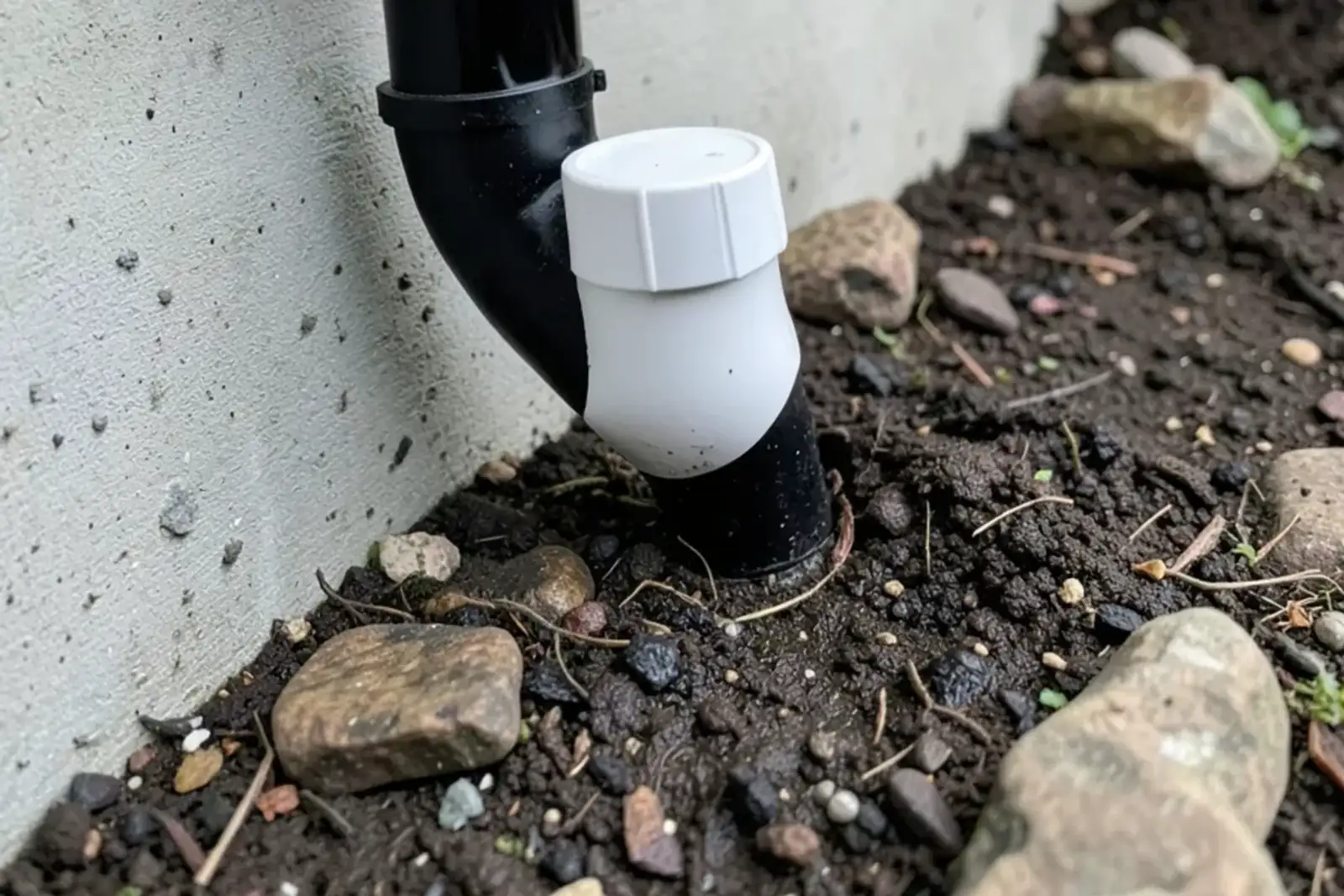
What drives ground drain installation cost
We have no local price we can honestly quote for this work. Any figure would need a look at the lot and would be given in writing. These are the things that move it:
- Length of the run to the outlet
- Number of downspouts tied in
- Digging conditions, such as ledge, roots and stone
- Restoring lawn, beds, paths or walls
- Pipe type and cleanouts
- Whether gutters or downspouts need changes above ground
Get it in writing. It should name the pipe, the slope, the outlet and who restores the yard.
Rain barrels, rain chains and other foundation water diversion
Not every lot needs a trench. A longer downspout or better grading may settle the problem for much less. Soil should fall away from the wall on every side.
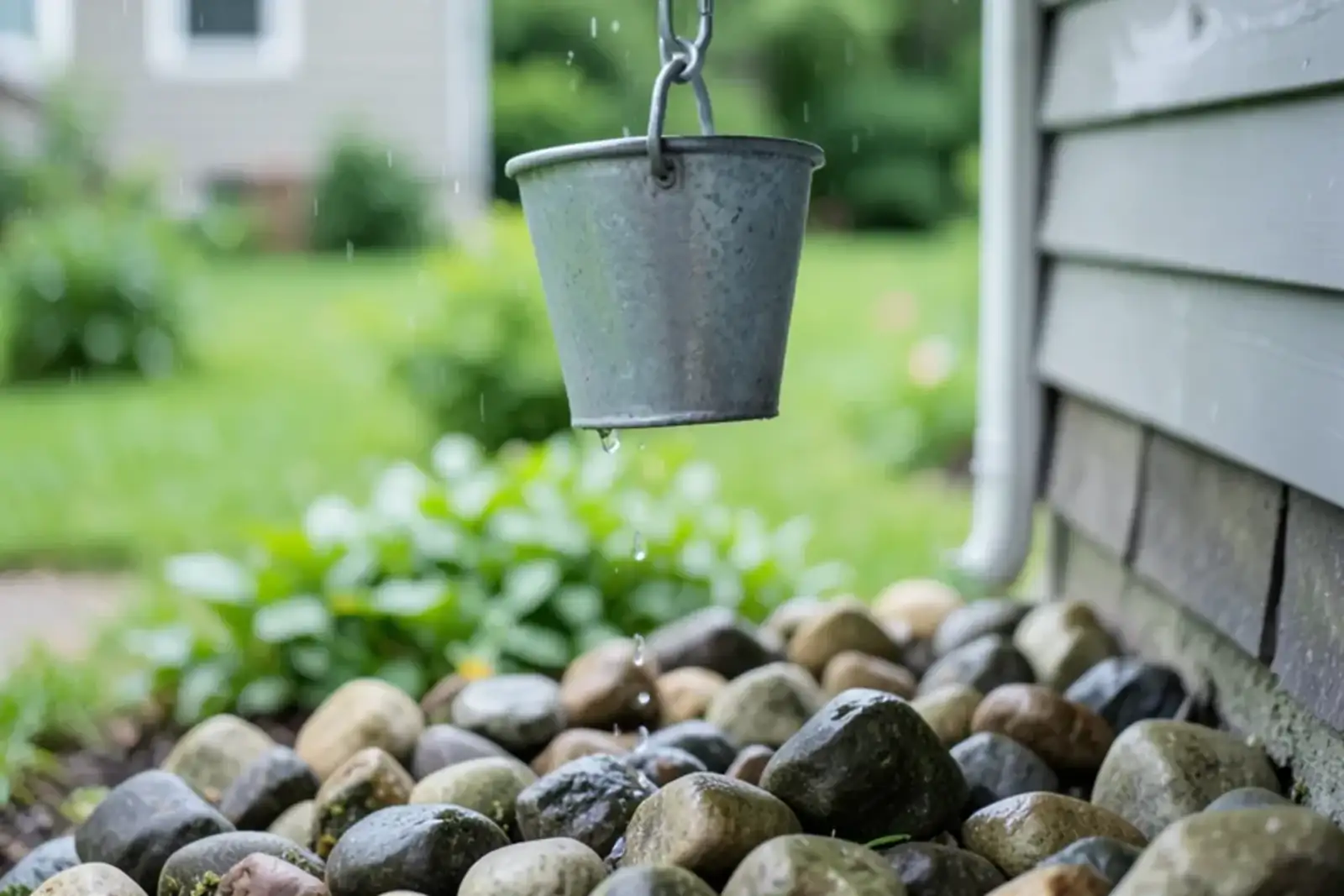
Rain barrels catch water for the garden, and they need a diverter on the downspout. In this climate they must be drained before the first freeze. Rain chains suit a porch corner, but they splash and gather ice. Our post on downspouts vs rain chains goes through the trade-offs.
Keeping a buried line working
A buried line needs little care, provided leaves stay out of it. Keep the gutters clean, flush the line yearly through the cleanout and check that the outlet is open. If water backs up at the top of the pipe, stop and find out why before winter.
If the old gutters feeding the line have failed, look at gutter replacement first. A raised deck has its own water path, covered on our page about under-deck drainage. We take calls from Hampstead, Raymond, Epping, Danville, Salem and Fremont. Fremont is roughly 15 minutes by our estimate, and farther trips are booked ahead.
Why Lanes Gutters starts with a call on buried drainage
We have not confirmed buried drain work as a service, so we do not claim a track record here. What we offer is the same habit reviewers describe: a straight answer. Our reviews stand at 5.0 from 29 on Google as of November 2026, and the praise that repeats is honest, clear and punctual. If the cause is a clogged gutter or a short downspout, we say so before anyone digs. If the lot needs another trade, we say that too, and price in writing.
What customers say about getting water under control
“He called me on Tuesday to tell me that there is rain expected and he would like to move the job up to Wednesday (today). I thought that was very professional of him to reach out and reschedule.”
“If you’re looking for a reliable gutter company in the Hampstead, NH area, I highly recommend Lane’s Gutters. Great service, fair pricing, and quality work—I wouldn’t hesitate to use them again.”
“He did a 158 Ft seamless gutter and front trim on my building. Highly recommended. He earned my business.”
5.0 on Google · 29 reviews as of November 2026. Read all reviews
Underground Downspout Drainage: common questions
How does buried downspout drainage work in New Hampshire frost?
It relies on slope, not depth. Frost can reach deep in southern New Hampshire, and most yard drains sit well above it. A line stays safe when it drains empty between storms, so little water is left to freeze. The pipe needs steady fall to an open outlet. We would check that fall first.
Where can underground drain lines discharge?
Usually at a daylight outlet on lower ground on your own lot, well away from the house. A dry well is another option where the soil drains well. Do not send roof water to a septic system, a neighbor's land or the road without asking. Rules vary, so check with your town.
Can a rain barrel or rain chain connect to my gutters?
Yes, both can work. A rain barrel takes a diverter on the downspout and has to be drained and disconnected before freezing weather. A rain chain replaces the pipe, but it can splash and it collects ice in winter. Hampstead's cold season is long, so keep an extension ready for the barrel's off-season.
Does underground gutter drainage need Dig Safe in New Hampshire?
Yes. Anyone digging for a buried drain line needs Dig Safe first, so call 811 well ahead of the work. Dig Safe covers the utility lines. Private lines, such as a septic pipe, well line or invisible dog fence, usually are not marked, so find those before anyone breaks ground on the lot.
Is underground gutter drainage right for a Hampstead lot with ledge?
Sometimes. Ledge near the surface can block a trench or force a longer route around it. A line can also run shallower, as long as it keeps its slope and drains empty. If digging is impractical, a surface extension or regrading may do the same job. We would walk the lot before quoting anything.
Should corrugated pipe be used for underground gutter drainage?
Smooth-wall pipe is the better choice. Corrugated pipe is cheaper, but its ridges catch grit and hold standing water, which can clog and freeze. Whoever does the job, ask which pipe the quote uses, and whether a cleanout is included. That small difference decides how well the line performs after several seasons.

Areas served for underground downspout drainage
- Plaistow, NHRoute 125 retail and light-industrial sites with paved lots raise the question of where roof water can legally go.
- Fremont, NHLow, wet lots along the Exeter River make finding a lower outlet the hard part of any buried line.
- Salem, NHCapes around Canobie Lake on smaller lots, median home built 1977 (ACS 2020-24), leave little room to route a line.
- Atkinson, NHLarge newer colonials produce a lot of roof water, so the outlet for a buried line has to be sized to match.
- Merrimack, NH1970s-80s subdivisions, median home built 1985 (ACS 2020-24); a longer trip, so visits are booked ahead.
- Hudson, NHMerrimack River town of 1970s-80s ranches and colonials; a longer trip, so visits are scheduled ahead.
- Raymond, NHLamprey River flooding in 2006 and 2007 makes where roof water goes a serious question near the river and Onway Lake.
- Danville, NHRural wooded lots with oak and pine litter, where a buried line only works if the gutters feeding it stay clear.
Need underground downspout drainage?
Call and tell us what you are seeing. We will take it from there.
25 Glenwood North Rd #16, Hampstead, NH 03841
(208) 464-4195
Mon–Sat 8am–6pm · Sunday closed